
Gabapentin is a prescription medication commonly used to treat nerve-related pain and certain seizure disorders. It is classified as an anticonvulsant (antiepileptic) drug.
It is also frequently prescribed for nerve pain conditions, such as postherpetic neuralgia, and sometimes used off-label for other neurological or pain-related issues.
Gabapentin works by affecting how nerves send signals in the brain and spinal cord. It influences calcium channels in nerve cells, helping to reduce abnormal nerve activity.
This calming effect on nerve signaling helps reduce pain sensations and can also help prevent seizures.
Doctors prescribe Gabapentin for:
Nerve pain (neuropathic pain)
Postherpetic neuralgia (pain after shingles)
Partial seizures (as part of epilepsy treatment)
Restless leg syndrome (in some cases, off-label use)
It is widely used because it can target nerve-related pain that does not respond well to standard pain relievers.
Gabapentin is available in several forms, including:
Oral capsules
Tablets
Oral solution
Gabapentin is typically taken multiple times per day depending on the prescribed regimen.
Gabapentin should be taken exactly as prescribed by a healthcare provider. It may be taken with or without food.
Because it can cause drowsiness, patients should be cautious when driving or operating machinery until they know how it affects them.
Dosage of Gabapentin varies based on the condition being treated, kidney function, and individual response.
Doctors usually:
Start with a low dose
Increase gradually over time
Adjust based on effectiveness and side effects
This gradual approach helps improve tolerance and reduce side effects.
Common side effects include:
Drowsiness
Dizziness
Fatigue
Swelling in extremities
Coordination problems
These effects may improve as the body adjusts to the medication.
More serious risks associated with Gabapentin include:
Severe dizziness or confusion
Mood changes
Difficulty breathing (especially with other depressants)
Allergic reactions
Medical attention should be sought if severe symptoms occur.
Gabapentin may affect mood in some individuals. Possible effects include:
Depression
Anxiety changes
Irritability
Rare suicidal thoughts
Patients should be monitored closely, especially during early treatment or dose changes.
Although Gabapentin is not an opioid, it may still cause physical dependence in some cases, especially with long-term use.
Stopping suddenly may lead to withdrawal symptoms such as:
Anxiety
Insomnia
Nausea
Pain recurrence
Sweating
A gradual taper under medical supervision is recommended.
Gabapentin should be used carefully with other central nervous system depressants, including:
Opioid pain medications
Benzodiazepines
Alcohol
These combinations with Gabapentin can increase drowsiness, breathing problems, and risk of overdose.
Gabapentin should be used cautiously in individuals with:
Kidney disease
Respiratory conditions
History of substance misuse
Severe mood disorders
Dose adjustments may be necessary based on kidney function.
Gabapentin is a prescription medication and should only be used under the supervision of a licensed healthcare provider.
Safe use includes:
Proper diagnosis of nerve pain or seizure disorder
Individualized dosing
Monitoring for side effects
Regular follow-up care
Medical supervision helps ensure safe and effective treatment.
Gabapentin is often most effective when combined with supportive therapies such as:
Physical therapy
Stress management
Sleep improvement strategies
Healthy activity levels
These approaches can enhance overall symptom control.
Gabapentin is a widely used prescription medication for nerve pain and seizure control. While it can be effective and well-tolerated, it may cause side effects such as dizziness, drowsiness, and mood changes.
Safe use requires medical supervision, proper dosing, and awareness of drug interactions. When used appropriately, gabapentin can be an important part of managing neurological and pain-related conditions.
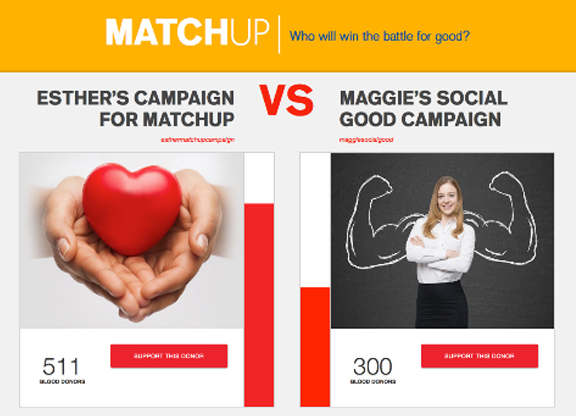
Challenge your friends (or anyone for that matter) to a friendly competition! Who will win the battle to do the most social good for your community?
Put your virtual blood drive campaign against one or even multiple other campaigns to see who can recruit more blood donors for the American Red Cross.