
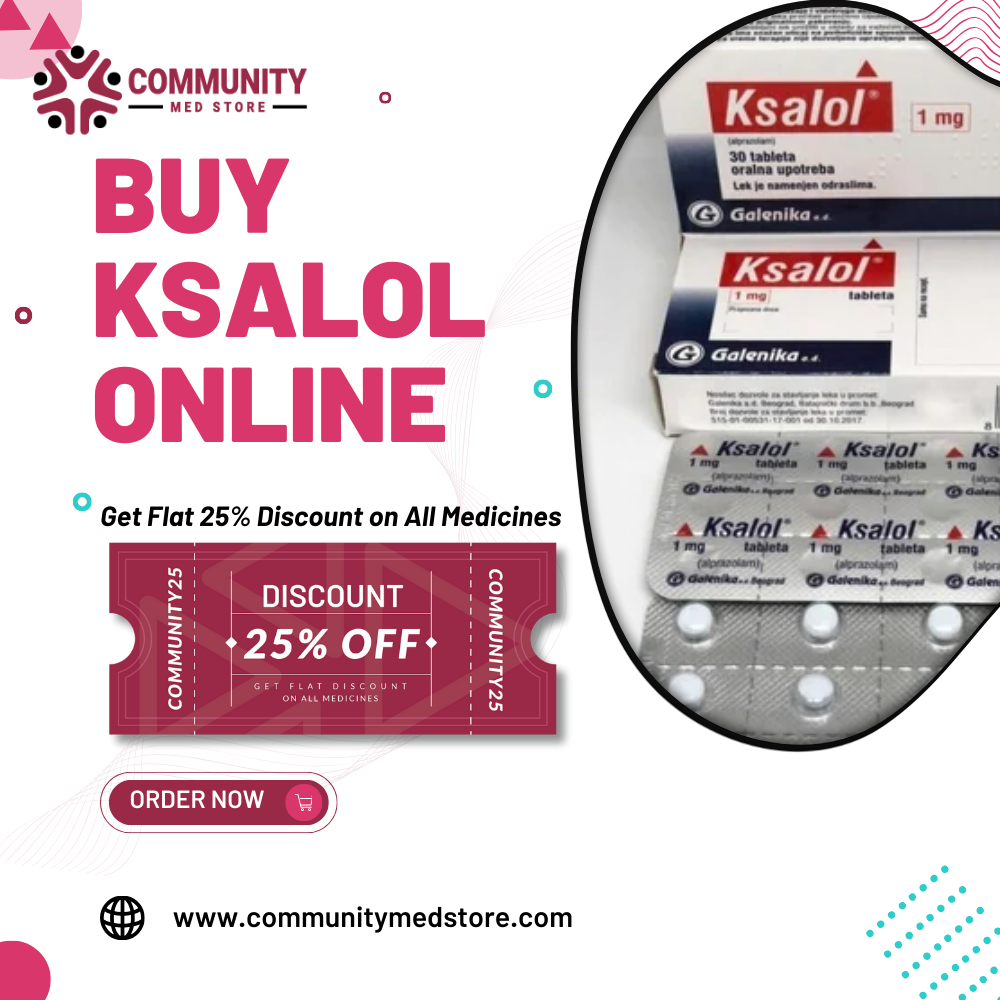
Ksalol is commonly recognized in healthcare discussions as part of a group of medications that support relaxation and reduced anxiety symptoms. It works with the natural calming systems in the brain to help individuals feel more at ease during periods of stress. This support can be valuable for those who experience ongoing worry tension or panic related feelings. When used under proper medical supervision it becomes part of a structured wellness approach that focuses on balance and stability.
How It Supports Mental CalmnessThe calming effect associated with Ksalol is connected to its interaction with neurotransmitters in the brain. These natural chemicals play an important role in mood regulation stress response and emotional control. By helping to enhance calming signals the medication may support improved sleep patterns reduced restlessness and a more centered mental state. This contributes to a healthier daily routine where individuals feel more capable of managing responsibilities and personal goals.
Importance of Professional GuidanceA key part of mental wellness care is professional support. Healthcare providers carefully evaluate each individuals condition before recommending any treatment plan. This ensures safe and appropriate use based on personal health needs. Responsible guidance helps create a balanced approach where mental health support is combined with lifestyle improvements such as exercise nutrition mindfulness and emotional support systems.
Community Compassion and Mental WellnessCompassion plays a powerful role in mental health awareness. Communities that understand and support individuals facing anxiety or emotional challenges create a safe and encouraging environment. When people feel heard and supported they are more likely to seek help and maintain consistent wellness routines. Educational awareness about mental health also reduces stigma and promotes kindness understanding and acceptance.
Building a Positive Wellness RoutineMental wellness is not only about treatment but also about daily habits. A positive routine may include regular sleep schedules healthy eating hydration physical activity and relaxation practices. Activities such as meditation breathing exercises and time in nature help strengthen emotional resilience. Combined with professional care these habits contribute to a stable and balanced lifestyle.
The Role of Emotional Support SystemsFamily friends and support groups play an essential role in recovery and wellness journeys. Having trusted people to talk to can improve emotional strength and reduce feelings of isolation. Encouraging open conversations about mental health allows individuals to feel more comfortable sharing their experiences and seeking help when needed.
Creating Awareness for Better UnderstandingAwareness about mental health conditions helps society grow stronger and more compassionate. Educational content about anxiety stress management and treatment options encourages informed decisions. It also empowers individuals to take proactive steps toward self care and wellness improvement.
ConclusionKsalol when discussed in a healthcare context represents part of a broader conversation about mental wellness support and emotional balance. Combined with professional guidance lifestyle improvements and strong community compassion it contributes to a healthier and more supportive environment. Promoting awareness understanding and kindness ensures that individuals facing anxiety related challenges feel valued supported and encouraged on their journey toward calm and balanced living.
Challenge your friends (or anyone for that matter) to a friendly competition! Who will win the battle to do the most social good for your community?
Put your virtual blood drive campaign against one or even multiple other campaigns to see who can recruit more blood donors for the American Red Cross.