When navigating options for chronic or acute pain management, understanding your prescription medication is critical for your health and safety. Buying hydrocodone online is a phrase often searched by individuals looking for convenient ways to access their necessary treatments, such as generic hydrocodone, Vicodin, Lortab, Norco, or specialized formulations like hydrocodone extended-release and immediate-release tablets.
However, because this opioid pain medication is a heavily regulated controlled substance, patients must prioritize safety, legal compliance, and proper medical guidance above all else. This comprehensive medication guide provides essential patient information regarding hydrocodone uses, dosages, side effects, warnings, and the realities of sourcing prescription medication safely.
Hydrocodone is a potent semi-synthetic opioid analgesic used primarily for pain management when non-opioid treatment options are inadequate. It works by binding to opioid receptors in the central nervous system, altering how your body perceives and responds to pain.
Hydrocodone is rarely prescribed as a single-ingredient medication; instead, it is most commonly combined with non-opioid pain relievers like acetaminophen (paracetamol) to enhance pain relief. Common variations include:
Proper administration of any prescription medication is vital to avoid adverse events. Always follow the specific instructions provided by your healthcare provider or pharmacist. Never adjust your hydrocodone dosage independently.
As an FDA-approved medication, hydrocodone carries significant risks that require careful patient education. Understanding these warnings helps ensure responsible medication use.
Hydrocodone carries a high potential for dependence, misuse, abuse, and addiction, which can lead to overdose and death. Your healthcare provider will monitor your therapy closely. Never share your medication with anyone else.
Before starting this medication, provide a complete medical history to your doctor. Certain conditions and substances can create dangerous drug interactions:
All medications carry the potential for side effects. Being informed allows you to recognize normal reactions versus medical emergencies.
An overdose is a medical emergency. Symptoms include:
If an overdose is suspected, administer naloxone if available and call emergency services immediately.
If you have been taking hydrocodone regularly for an extended period, stopping the medication abruptly can trigger uncomfortable or severe withdrawal symptoms. Symptoms of withdrawal include restlessness, watery eyes, runny nose, yawning, sweating, chills, muscle aches, anxiety, and nausea. Always consult your healthcare provider to create a safe, gradual tapering schedule when discontinuing treatment.
Proper handling of controlled substances protects your household and the community:
When looking to acquire your medications, patient safety should always guide your decisions. Legitimate pharmacies require a valid prescription from a licensed healthcare provider. Be cautious of unverified online sources that promise controlled substances without proper medical oversight, as these may distribute counterfeit, substandard, or dangerous products.
For safe, legal, and reliable treatment options, always consult a licensed healthcare professional to discuss your pain management needs, obtain a proper diagnosis, and fill your prescriptions through accredited, verified pharmacy channels.
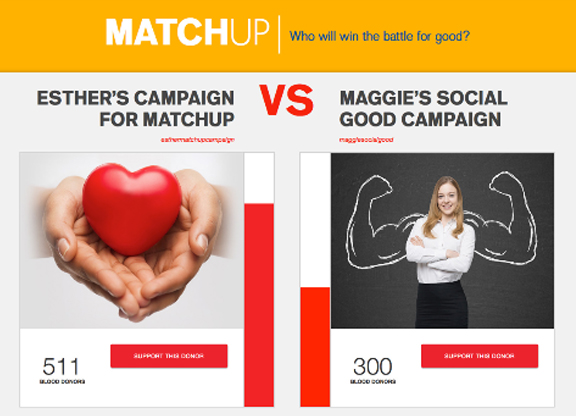
Challenge your friends (or anyone for that matter) to a friendly competition! Who will win the battle to do the most social good for your community?
Put your virtual blood drive campaign against one or even multiple other campaigns to see who can recruit more blood donors for the American Red Cross.